All Categories
Featured


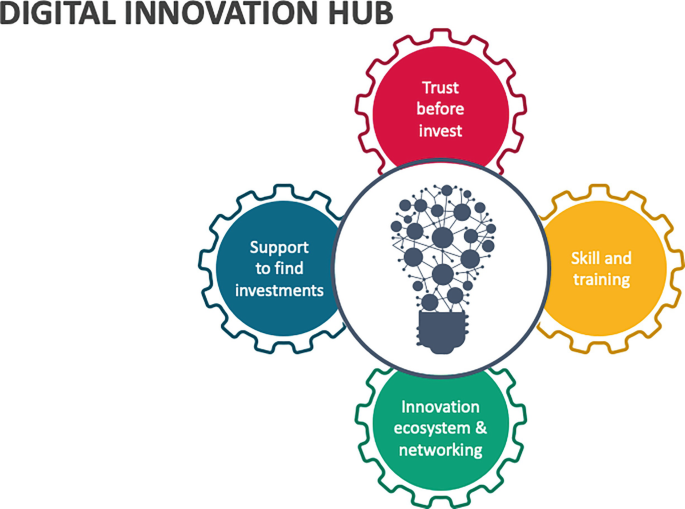
Top Technical Tips for Successful Hub Management
Table of Contents
Still, instead of how much benefit, exposure, and support people have actually had before encountering a new tool and during the transitional duration, they're being asked to utilize it. What does this mean for technology adoption in the workplace?
To move beyond niche use and reach the more reluctant mainstream, adoption techniques should make technology accessible, reduce worry, and get rid of friction. In the office, this implies investing in cultural readiness, peer-to-peer training, transparent interaction, and an incremental rollout, instead of merely introducing a brand-new system, expecting behavioral change, and presuming adoption is fundamental.
We'll take a look at four technologies the Internet, mobile phones, ChatGPT, and CRMs and break down the technology adoption cycle throughout the five accomplices of adopters: The adoption of the Internet was slower at first due to the complexity of innovation and facilities. By the early 2000s, its adoption accelerated with extensive internet browser schedule and cost-efficient connectivity.
Adoption was limited to tech lovers, the military, and academics. Early adopters accounted for around 13.5% of users by the mid-1990s.
By 2000, almost 50% of families in developed nations had internet access. High-speed internet (DSL, cable television) and the growth of e-commerce made the Web a family requirement. Adoption in establishing areas acquired momentum throughout this phase. Rural and remote areas started adopting the Web, with global Internet penetration reaching 64% in 2023.
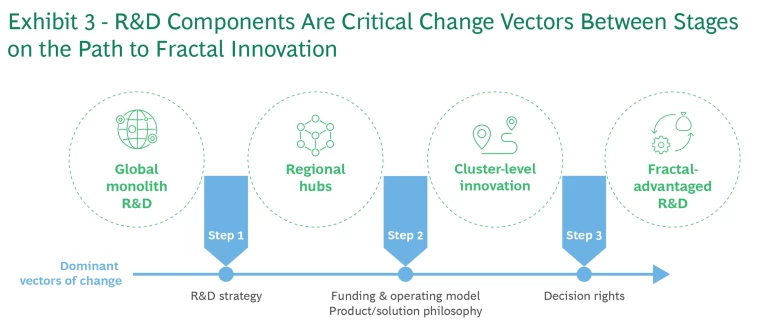
Synchronizing R&D Strategies With Fast Tech Cycles
Foundational facilities is crucial for long-term adoption success. International adoption requires focused efforts on availability and price.
The launch of the iPhone in 2007 functioned as a catalyst, rapidly shifting adoption into the early bulk stage by introducing an easy to use interface and app community. Compared to conventional journeys, smartphones had less lags between associates due to high need for movement and interaction, savvy marketing projects, and easy to use items.
Adoption was restricted due to high costs and limited features. Apple's iPhone launch in 2007 marked a turning point, drawing early adopters eager for a touch interface and app environment.
Architecting Scalable Tech Centers
Cost effective Android gadgets made it possible for mass-market adoption, specifically in establishing areas. Adoption exceeded 80% globally in 2020. Laggards includes people resistant to embracing smartphones due to absence of digital literacy or choice for simpler gadgets. In 2024, 310 million Americans owned a smartphone, equating to an innovation adoption penetration rate of 96%.
Consumer adoption accelerates when technology solves immediate pain points. Community advancement (like apps and devices) drives user adoption across all cohorts.
Unlike traditional journeys, CRMs required significant market education about their advantages and display a plan for B2B adoption journeys in new technology categories. CRMs experienced extended early stages due to their intricacy and the need to show ROI before organizations invested greatly.
The turning point came when Salesforce presented a cloud-based CRM in 1999, drawing innovators and early adopters from sales and marketing groups in tech-forward organizations. Adoption grew gradually as companies recognized the advantages of centralized client information. CRM platforms like HubSpot and Zoho made CRMs budget friendly and user-friendly for SMBs, sustained by ease-to-use tools, strong combinations, educating users on how to use CRM systems, and large marketing projects.
Cloud Infrastructure and the Future of Enterprise R&DIntegrating Smart Infrastructure for Drive Strategic Innovation
CRMs with mobile-first abilities and industry-specific services helped close the adoption gap. In 2024, there were over 750 CRM innovation vendors noted on Little companies or markets with minimal tech combination adopt CRMs as they become indispensable.
Sales groups (the end-users) resisted shifting from handbook to digital processes and typically viewed CRMs as an administrative function that presented an obstruction to selling. Numerous companies think twice to invest in costly innovations without clear evidence of ROI. Adoption accelerates when options demonstrate concrete ROI (e.g., increased sales, better client retention).
ChatGPT bypassed numerous traditional early adoption difficulties by being free, intuitive, and immediately impactful for individual and professional use. AI scientists and developers have been try out GPT-type models since 2018. Restricted usage within niche AI research and development neighborhoods. ChatGPT's public release in November 2022 drew tech lovers, early adopters, and curious users.
ChatGPT exceeded 100 million monthly active users in January 2023, just two months after its launch. Widespread adoption throughout industries such as customer support, content production, and education. Organizations began embedding ChatGPT APIs into workflows, and innovation companies invested capital and resources into AI-focused R&D jobs, expanding its reach. Wider adoption in non-tech sectors, with AI tools integrated into daily service and consumer tools.
Leveraging Modern Technology Innovation Cycles in 2026
Adoption by those hesitant of AI or not familiar with its use cases. Increasingly ubiquitous in background systems (e.g., wise assistants, apps). Social concerns over AI changing jobs or producing misinformation developed resistance. Users had to learn how to leverage AI tools successfully and how they could contextually utilize them to drive worth for distinct use cases.
Scaling Corporate Innovation ModelsFreemium models considerably accelerate adoption by removing barriers to entry. Clear communication about ethical and safe use can reduce uncertainty. Fast adoption needs constant education to make the most of value and address misunderstandings. The world changes at a speeding up rate while humanity adapts continuously. This develops a gap between digital innovation abilities and the human ability to use those abilities, which is growing and speeding up.
The consumers in the first group are visionaries, and the latter are pragmatists. An important stage in the innovation adoption lifecycle is when new innovation is being utilized by early adopters instead of by the early majority. The "chasm" refers to the space between the early adopter and early bulk sections.
To cross the gorge, a business requires to develop a technique that attends to the concerns of the early majority and convinces them to adopt the product. Encouraging the early majority to embrace the product includes building a refined and trustworthy item with a marketing message emphasizing the innovation's practical advantages.
The user experience delighted in by this niche target segment ultimately determines the word-of-mouth credibility within different sections of the early bulk. Only when an innovation effectively crosses the chasm can it attain mainstream adoption.

Latest Posts

Will the Model Survive 2026 Tech Trends?
Why Can Organizations Optimize Innovation Pipelines?
Future Enterprise Innovation Trends and Digital Strategy