All Categories
Featured
Table of Contents
A number of patterns are likely to form the future of development cycles progressing: Quantum computing and AI together can fix brand-new class of problems that couldn't be fixed before. These technologies might cause breakthroughs in fields like cryptography, drug discovery, and climate modeling. Gene editing and individualized medicine are set to transform healthcare.

Among mankind's greatest missions is the search for everlasting life. Science has actually shown the path to longer and much healthier lives, and technological innovation is already occurring. Nevertheless, this mission features substantial moral and ethical concerns that we have yet to respond to. With growing issues about climate change, sustainable technologies will be important in resolving environmental difficulties.
Due to these affecting aspects, the electrical industry is about to go through significant changes in production, transportation, and consumption. Development cycles have actually formed history and driven financial development and societal development. By comprehending these cycles and strategically carrying out new innovations, companies can remain ahead of the curve, improve efficiency, and achieve long-term success.
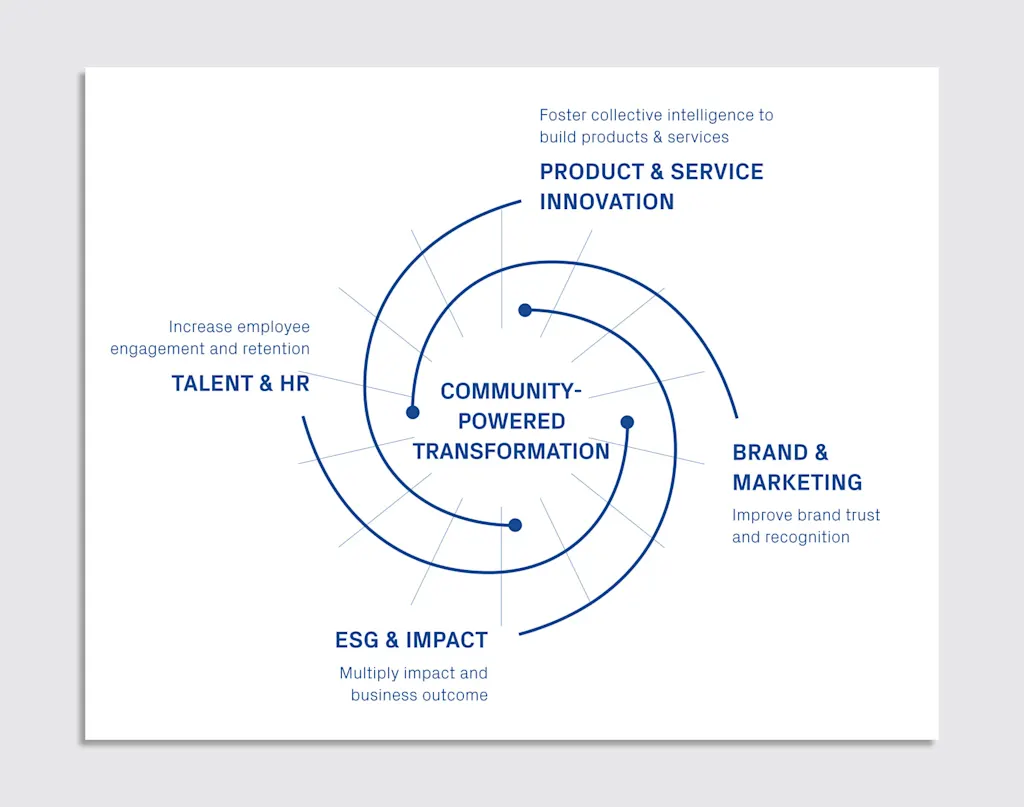
Back in 1999, V.H. Carr specified innovation adoption as "the stage of picking a technology for usage by a specific or an organization." That meaning remains beneficial, however the process has grown more complicated as technology ends up being woven into nearly every element of our professional and personal lives. Innovation has improved how we live, work, and link, often in ways we couldn't have actually pictured a generation back.
What makes adoption so difficult is not the innovation itself, however the human reaction to it. In practice, technology adoption is less about the tools and more about peopletheir willingness to alter, their openness to new methods of working, and the conditions that support or prevent them along the way.
Essential Technical Insights to Modernizing Corporate InnovationIntegrating Intelligent Infrastructure Within Enterprise Workflows
It involves discovering and adjusting to brand-new technologies. Innovation adoption is affected by efficiency span, effort span, facilitating conditions, and social impact. The technology adoption curve is a bell curve design explaining how individuals respond to, adopt, and accept new ingenious items and technologies.
Each classification of technology adopter has various motivators when embracing new processes and innovations. Innovators are those who want to take threats. Innovators are those in the innovation adoption life process who love attempting new things and may even be individuals motivating others to experiment with a new app or tool.
They're the first to update their phones or explore a tool during beta testing. Since innovators are hardly ever concerned about failure, they're really going to give a brand-new innovation a shot. In fact, innovators are typically the initiators of modification. If you're the person presenting new technology into your organization, you're an innovator.
Maximizing ROI Through Enterprise Innovation Units
Innovators don't require much convincing, the best way to encourage them is to get them excited about what a new tool can do. Every action is developed to motivate your group to move forward.
Innovators will be intrigued by the tool and interested in how it can enhance their work.
Early adopters like being the first to know about new innovation. While innovators are comfy failing publicly, early adopters like to gather details and personal experience with innovation before they suggest it to others.
Persuasive Prepared to overcome early bugs and setbacks associated with beta launches and brand-new technologies Concerned about their track record To motivate early adopters, supply guides on how to get started. Early adopters wish to strike the ground running. By giving them the guides and training they need to begin utilizing a tool, they can become internal champions for your organizational change.

Latest Posts
Will the Model Survive 2026 Tech Trends?
Why Can Organizations Optimize Innovation Pipelines?
Future Enterprise Innovation Trends and Digital Strategy